ภาษาไทย
- English
- Español
- Português
- русский
- Français
- 日本語
- Deutsch
- tiếng Việt
- Italiano
- Nederlands
- ภาษาไทย
- Polski
- 한국어
- Svenska
- magyar
- Malay
- বাংলা ভাষার
- Dansk
- Suomi
- हिन्दी
- Pilipino
- Türkçe
- Gaeilge
- العربية
- Indonesia
- Norsk
- تمل
- český
- ελληνικά
- український
- Javanese
- فارسی
- தமிழ்
- తెలుగు
- नेपाली
- Burmese
- български
- ລາວ
- Latine
- Қазақша
- Euskal
- Azərbaycan
- Slovenský jazyk
- Македонски
- Lietuvos
- Eesti Keel
- Română
- Slovenski
- मराठी
- Srpski језик

คอนโซลอัจฉริยะของศูนย์จัดส่งสามารถปรับปรุงการตอบสนองฉุกเฉินได้หรือไม่
ในระหว่างที่ไฟฟ้าดับ การจราจรติดขัด หรือเหตุการณ์ทางอุตสาหกรรม การตอบสนองฉุกเฉินขึ้นอยู่กับความเร็วที่ผู้คนสามารถเปลี่ยนข้อมูลที่กระจัดกระจายให้เป็นการดำเนินการที่ประสานกัน หนึ่งคอนโซลอัจฉริยะของศูนย์จัดส่งสามารถสนับสนุนกระบวนการนี้โดยการจัดระเบียบข้อมูลที่สำคัญ ปรับปรุงการสื่อสาร และช่วยให้ผู้ปฏิบัติงานรักษามุมมองที่ชัดเจนของสถานการณ์ที่กำลังพัฒนา
เหตุใดการส่งเหตุฉุกเฉินจึงมักเสียเวลาอันมีค่าไป
เหตุการณ์ฉุกเฉินมักไม่เป็นไปตามลำดับที่คาดเดาได้ ห้องควบคุมอาจได้รับการแจ้งเตือนจากระบบการตรวจสอบ โทรศัพท์จากทีมงานภาคสนาม การอัปเดตสถานะอุปกรณ์ และคำขอจากหลายแผนกภายในไม่กี่นาที แต่ละข้อความอาจมีประโยชน์ แต่ความท้าทายที่แท้จริงคือการทำความเข้าใจว่าข้อมูลเข้ากันได้อย่างไร
เมื่อผู้ปฏิบัติงานต้องสลับไปมาระหว่างหน้าจอ เครื่องมือสื่อสาร และบันทึกด้วยตนเองซ้ำๆ ก็สามารถมองข้ามรายละเอียดที่สำคัญได้ สองแผนกอาจทำงานจากการอัปเดตที่แตกต่างกัน ในขณะที่ทีมงานภาคสนามรอการยืนยันก่อนดำเนินการ
ความล่าช้าเหล่านี้ไม่ได้เกิดจากการขาดข้อมูลเสมอไป ในหลายกรณี ปัญหาคือข้อมูลมาถึงผ่านช่องทางที่แยกจากกันโดยไม่มีภาพการปฏิบัติงานร่วมกัน
วิธีที่ Dispatch Console รองรับการตัดสินใจที่รวดเร็วยิ่งขึ้น
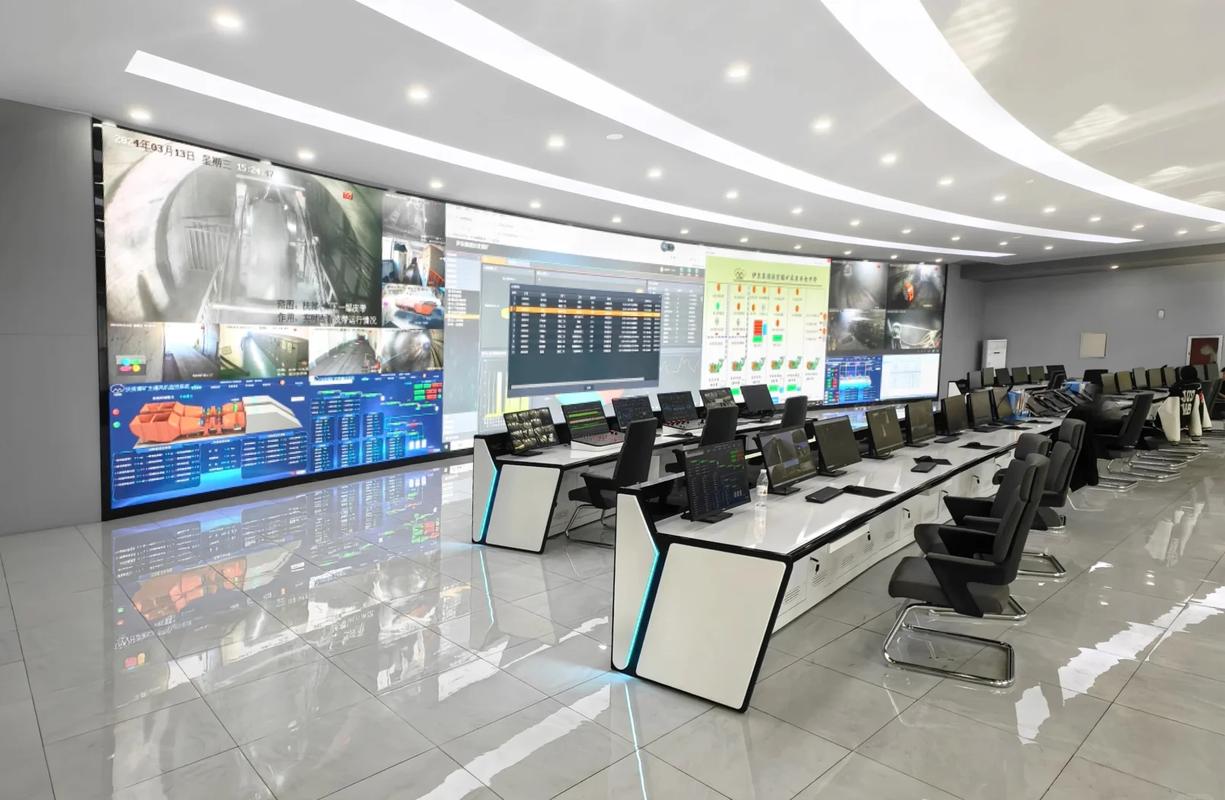
คอนโซลการจัดส่งมีพื้นที่ทำงานเฉพาะสำหรับการตรวจสอบอุปกรณ์ การสื่อสารกับทีม และการจัดการข้อมูลการปฏิบัติงาน การมีส่วนร่วมในการตอบสนองต่อเหตุฉุกเฉินขึ้นอยู่กับว่าเวิร์กสเตชัน ระบบการสื่อสาร และเครื่องมือดิจิทัลทำงานร่วมกันได้ดีเพียงใด
นำข้อมูลที่สำคัญมาไว้ในมุมมองเดียว
ห้องควบคุมที่มีการประสานงานสามารถแสดงข้อความแจ้งเตือน สภาพอุปกรณ์ ตำแหน่งที่เกิดเหตุ และความคืบหน้าในการตอบสนองในรูปแบบที่สอดคล้องกัน ผู้ปฏิบัติงานสามารถระบุเหตุการณ์ที่ต้องการความสนใจได้ทันทีโดยไม่ต้องค้นหาซ้ำๆ ผ่านอินเทอร์เฟซที่ไม่ได้เชื่อมต่อ
ตัวอย่างเช่น ในระหว่างไฟฟ้าขัดข้องในภูมิภาค ผู้ปฏิบัติงานอาจจำเป็นต้องเปรียบเทียบสถานีย่อยที่ได้รับผลกระทบ ตรวจสอบสัญญาณเตือนของอุปกรณ์ และสื่อสารกับทีมบำรุงรักษา เค้าโครงคอนโซลที่มีการจัดระเบียบอย่างดีช่วยให้มองเห็นงานเหล่านี้ได้ และลดการเคลื่อนไหวที่ไม่จำเป็นระหว่างเวิร์กสเตชัน
การปรับปรุงการสื่อสารระหว่างทีม
การตอบสนองต่อเหตุฉุกเฉินมักเกี่ยวข้องกับหลายแผนกที่ทำงานภายใต้ความกดดันด้านเวลา ผู้ดำเนินการจัดส่งจำเป็นต้องแบ่งปันคำแนะนำที่ถูกต้อง บันทึกการอัปเดตที่สำคัญ และติดตามว่าการดำเนินการที่ได้รับมอบหมายเสร็จสมบูรณ์แล้วหรือไม่
สภาพแวดล้อมการจัดส่งแบบรวมสามารถรองรับการสื่อสารผ่านระบบโทรศัพท์ที่เชื่อมต่อ อุปกรณ์วิทยุ เทอร์มินัลข้อมูล และจอแสดงผลที่ใช้ร่วมกัน การจัดวางอุปกรณ์ที่ชัดเจนและการจัดการสายเคเบิลที่เป็นระเบียบยังช่วยให้สามารถเข้าถึงการควบคุมที่จำเป็นในระหว่างการดำเนินการที่ยาวนานขึ้น
จุดมุ่งหมายไม่ใช่แค่การเพิ่มความเร็วในการสื่อสารเท่านั้น เป็นการลดความเข้าใจผิดและตรวจสอบให้แน่ใจว่าข้อมูลที่เกี่ยวข้องเข้าถึงบุคคลที่ถูกต้องในเวลาที่เหมาะสม
เทคโนโลยีอัจฉริยะสามารถทำนายปัญหาต่อไปได้หรือไม่?
การตรวจสอบแบบดิจิทัลและการวิเคราะห์ข้อมูลกำลังสร้างโอกาสใหม่สำหรับศูนย์จัดส่ง แทนที่จะรอให้ผู้ปฏิบัติงานสังเกตเห็นการอ่านที่ผิดปกติทุกครั้ง ระบบที่เชื่อมต่อสามารถระบุรูปแบบที่ผิดปกติและการแจ้งเตือนปัญหาตามเกณฑ์ที่กำหนดค่าไว้หรือแบบจำลองเชิงวิเคราะห์
ตัวอย่างเช่น การแจ้งเตือนอุปกรณ์ซ้ำๆ รวมกับอุณหภูมิในการทำงานที่เพิ่มขึ้นอาจบ่งบอกถึงความผิดปกติที่กำลังพัฒนา แพลตฟอร์มการตรวจสอบสามารถเน้นรูปแบบได้ ช่วยให้ผู้ปฏิบัติงานสามารถตรวจสอบก่อนที่สถานการณ์จะร้ายแรงขึ้น
ปัญญาประดิษฐ์อาจสนับสนุนการจำแนกเหตุการณ์ การดึงข้อมูล และการจัดทำสรุปการปฏิบัติงานเพิ่มเติม อย่างไรก็ตาม การคาดการณ์จะมีประโยชน์ก็ต่อเมื่อข้อมูลพื้นฐานถูกต้องและสามารถเข้าใจการแจ้งเตือนได้ การตัดสินใจในกรณีฉุกเฉินยังคงต้องมีขั้นตอนที่กำหนดไว้ การใช้วิจารณญาณของมนุษย์ และความรับผิดชอบที่ชัดเจน
หนึ่งคอนโซลอัจฉริยะของศูนย์จัดส่งดังนั้นจึงทำงานได้ดีที่สุดโดยเป็นส่วนหนึ่งของสภาพแวดล้อมการปฏิบัติงานที่มีการประสานงาน มากกว่าที่จะเป็นเฟอร์นิเจอร์แบบสแตนด์อโลนหรือระบบการตัดสินใจที่เป็นอิสระ
ปัจจัยการออกแบบใดมีความสำคัญในห้องควบคุมเหตุฉุกเฉิน
เวิร์กสเตชันทางกายภาพยังคงมีความสำคัญแม้ว่าระบบดิจิทัลจะมีความก้าวหน้ามากขึ้นก็ตาม ผู้ปฏิบัติงานอาจทำงานเป็นกะยาว ตรวจสอบจอแสดงผลหลายจอ และตอบสนองต่อเหตุการณ์โดยแทบไม่มีการเตือน รูปแบบที่ไม่ดีสามารถเพิ่มความเครียดทางร่างกายและจิตใจโดยไม่จำเป็นให้กับบทบาทที่มีความต้องการอยู่แล้วได้
| การพิจารณาออกแบบ | เหตุใดจึงสำคัญในช่วงฉุกเฉิน |
|---|---|
| การจัดเรียงหน้าจอ | เก็บการแจ้งเตือนที่สำคัญและมุมมองการปฏิบัติงานไว้ในสายตา |
| การยศาสตร์ | รองรับการทำงานที่สะดวกสบายในระหว่างกะทำงานที่ยาวนาน |
| การเข้าถึงอุปกรณ์ | ทำให้อุปกรณ์สื่อสารและการควบคุมเข้าถึงได้ง่ายขึ้น |
| การจัดการสายเคเบิล | ช่วยให้การเชื่อมต่อเป็นระเบียบและพื้นที่ทำงานเป็นระเบียบ |
| เค้าโครงแบบโมดูลาร์ | ช่วยรองรับการเปลี่ยนแปลงอุปกรณ์และความต้องการของระบบ |
| การเข้าถึงการบำรุงรักษา | ลดความยุ่งยากในการตรวจสอบและการบริการอุปกรณ์ที่ติดตั้ง |
ข้อควรพิจารณาเหล่านี้เกี่ยวข้องกับเครือข่ายไฟฟ้า ระบบขนส่ง สิ่งอำนวยความสะดวกด้านความปลอดภัยสาธารณะ โรงงานอุตสาหกรรม และสภาพแวดล้อมอื่นๆ ที่จำเป็นต้องมีการตรวจสอบอย่างต่อเนื่อง
เค้าโครงควรสะท้อนถึงขั้นตอนการทำงานจริง ตัวอย่างเช่น ห้องจัดส่งการขนส่งอาจจัดลำดับความสำคัญของข้อมูลเส้นทางและอุปกรณ์สื่อสาร ในขณะที่ห้องควบคุมอุตสาหกรรมอาจให้ความสำคัญกับการตรวจสอบกระบวนการและการแจ้งเตือนอุปกรณ์มากขึ้น
การวัดว่าการตอบสนองฉุกเฉินได้รับการปรับปรุงหรือไม่
เค้าโครงคอนโซลหรืออินเทอร์เฟซดิจิทัลใหม่ควรได้รับการประเมินผ่านมาตรการการปฏิบัติงานจริงมากกว่ารูปลักษณ์ภายนอกเพียงอย่างเดียว ตัวบ่งชี้ที่เป็นประโยชน์ ได้แก่ เวลาที่ต้องใช้ในการรับทราบสัญญาณเตือน ความถูกต้องของข้อมูลที่ส่งระหว่างทีม เวลาที่จำเป็นในการกำหนดเหตุการณ์ และจำนวนข้อผิดพลาดในการสื่อสารที่บันทึกไว้ระหว่างการฝึกซ้อม
การฝึกซ้อมฉุกเฉินสามารถเปิดเผยปัญหาที่การปฏิบัติงานประจำอาจไม่เปิดเผย หากผู้ปฏิบัติงานพลาดการแจ้งเตือนเดิมซ้ำๆ หรือพยายามค้นหาการควบคุมที่จำเป็น ปัญหาอาจเกี่ยวข้องกับการจัดระเบียบหน้าจอ การออกแบบเวิร์กโฟลว์ หรือการฝึกอบรม มากกว่าตัวเทคโนโลยีการตรวจสอบ
การตรวจสอบเป็นประจำยังช่วยให้แผนกต่างๆ เข้าใจว่าระบบของตนมีมุมมองเหตุการณ์ร่วมกันหรือไม่ และขั้นตอนการสื่อสารสำรองยังคงสามารถเข้าถึงได้เมื่อระบบหลักล้มเหลวหรือไม่
บทบาทของการออกแบบคอนโซลในศูนย์จัดส่งในอนาคต
เนื่องจากศูนย์จัดส่งเชื่อมต่ออุปกรณ์ตรวจสอบ แพลตฟอร์มการสื่อสาร และเครื่องมือวิเคราะห์มากขึ้น การออกแบบเวิร์กสเตชันจึงต้องก้าวให้ทันกับความต้องการในการปฏิบัติงาน Tianjin Temery Metal Products Co., Ltd. ผลิตคอนโซลตรวจสอบ คอนโซลควบคุม คอนโซลจัดส่ง ตู้เครือข่าย และระบบวิดีโอวอลล์ โรงงานผลิตของบริษัทในเทียนจินประกอบด้วยอุปกรณ์การประมวลผล CNC ที่ทันสมัย และพื้นที่การผลิตประมาณ 10,000 ตารางเมตร ซึ่งรองรับการทำงานในอุปกรณ์ห้องควบคุมโลหะ
แนวโน้มของอุตสาหกรรมในวงกว้างนั้นมุ่งสู่สภาพแวดล้อมการควบคุมที่รวมรูปแบบทางกายภาพที่ชัดเจนเข้ากับระบบข้อมูลที่เชื่อมต่อกัน เทคโนโลยีสามารถช่วยให้ผู้ปฏิบัติงานระบุเหตุการณ์และประสานการตอบสนองได้ แต่การจัดการเหตุฉุกเฉินที่มีประสิทธิผลยังคงขึ้นอยู่กับบุคลากรที่ได้รับการฝึกอบรม การสื่อสารที่เชื่อถือได้ ขั้นตอนการปฏิบัติ และพื้นที่ทำงานที่ได้รับการจัดการอย่างดี
ท้ายที่สุดแล้วคอนโซลอัจฉริยะของศูนย์จัดส่งสามารถปรับปรุงการตอบสนองฉุกเฉินได้เมื่อการออกแบบรองรับการเข้าถึงข้อมูลที่รวดเร็วยิ่งขึ้น การประสานงานที่ชัดเจนยิ่งขึ้น และการตัดสินใจที่สอดคล้องกันมากขึ้น คุณค่าไม่ได้อยู่ที่จำนวนหน้าจอหรือการมีอยู่ของคุณสมบัติขั้นสูง แต่อยู่ที่ประสิทธิภาพในการช่วยให้ผู้คนตอบสนองในเวลาที่ทุกนาทีมีความสำคัญ
ก่อนหน้า :
-
ข่าวที่เกี่ยวข้อง
- เหตุใดตู้ห้องคอมพิวเตอร์แบบโมดูลาร์จึงได้รับการพัฒนาสำหรับศูนย์ข้อมูล AI
- กลไกการทำงานอันเงียบสงบของโครงสร้างพื้นฐานที่สำคัญ: เหตุใดฮาร์ดแวร์คอนโซลการตรวจสอบจึงสมควรได้รับวงจรการอัปเกรดของตัวเอง
- คอนโซลการตรวจสอบของวันพรุ่งนี้จะเปิดใช้งานด้วยเสียงและคาดการณ์ได้ แทนที่จะแสดงเพียงตัวเลขหรือไม่
- ข้อดีของห้องคอมพิวเตอร์แบบโมดูลาร์
- ฟังก์ชั่นหลักของคอนโซลการทำงาน
- คุณจะเลือกตู้เครือข่ายที่เหมาะสมสำหรับธุรกิจของคุณได้อย่างไร?
ฝากข้อความถึงฉัน